- a supprimer
- Artworks
- News
- Back
- Installations
- Sculptures
- Bas-Relief
- Architecture
- Back
- Exhibitions
- Series
- Publications
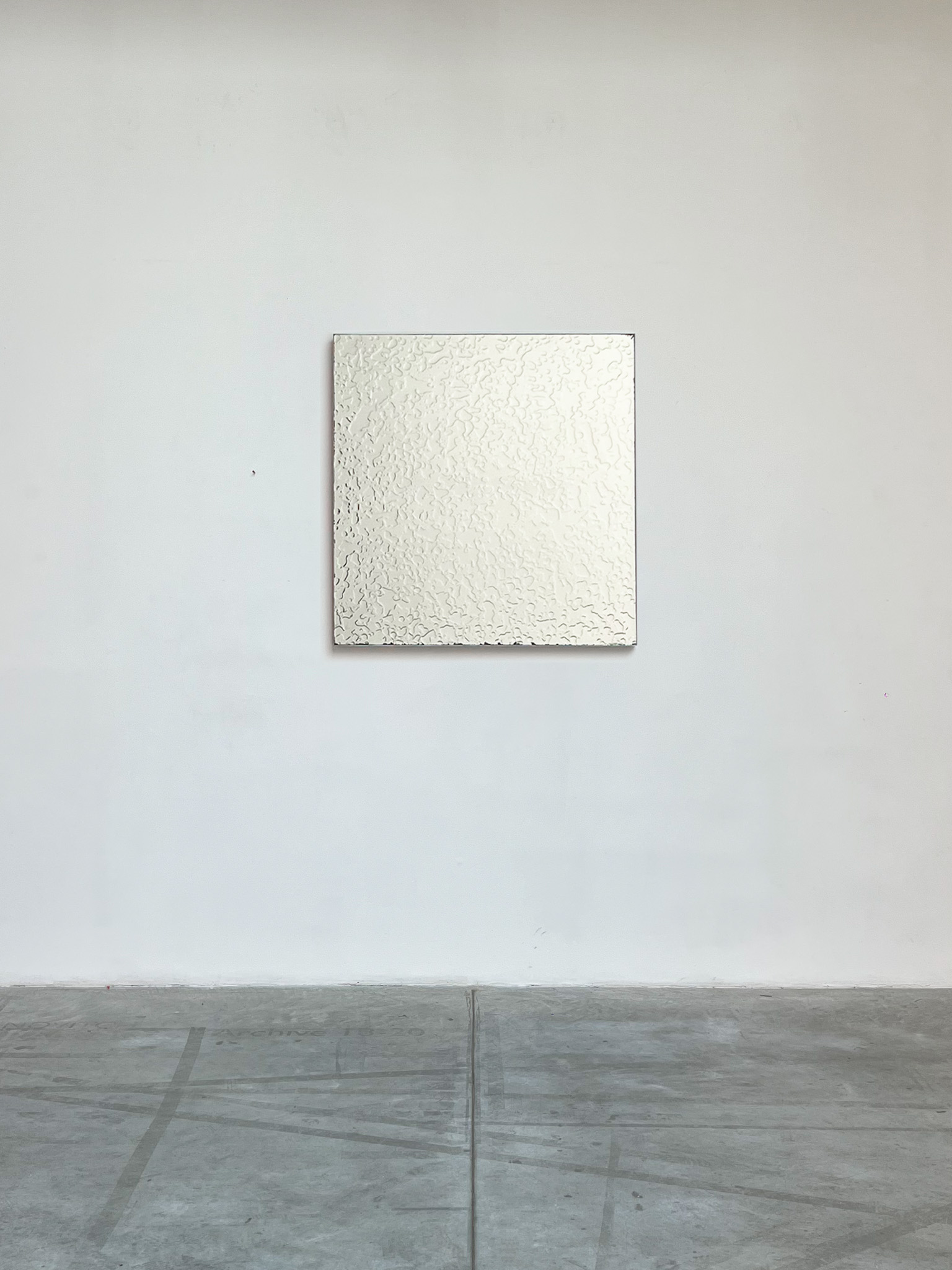
Year : 2022Dimensions : 78 x 75,5 x 2 cmMaterial : Resine, mirror and aluminium frame. Related exhibition : Réalité Déformée Related artworks : Liquid Reflection SeriesCategory : Frames All works
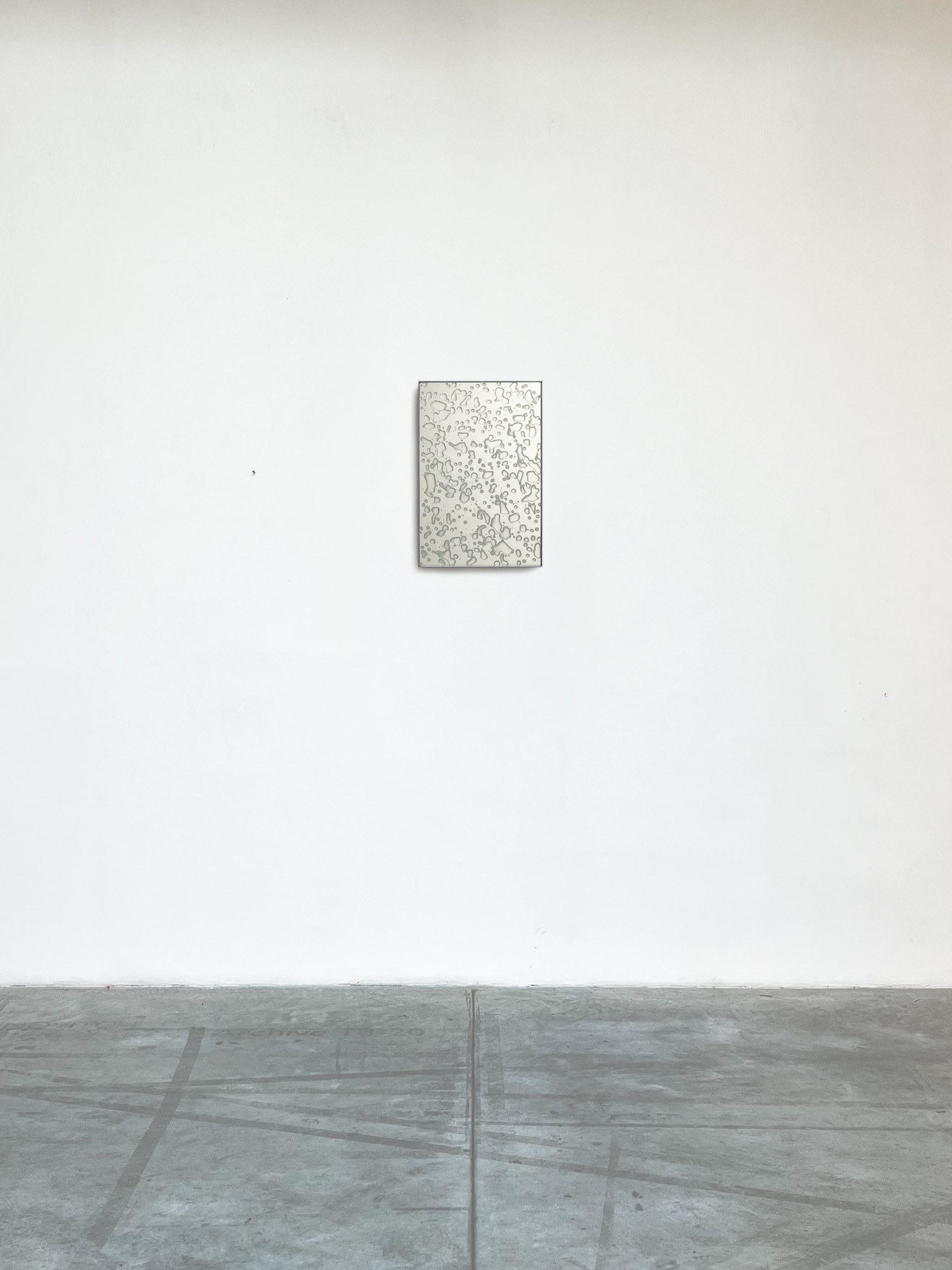
Year : 2022Dimensions : 31 x 48 x 2 cmMaterial : Resine, mirror and aluminium frame. Related exhibition : Réalité Déformée Related artworks : Liquid Reflection SeriesCategory : Frames All works
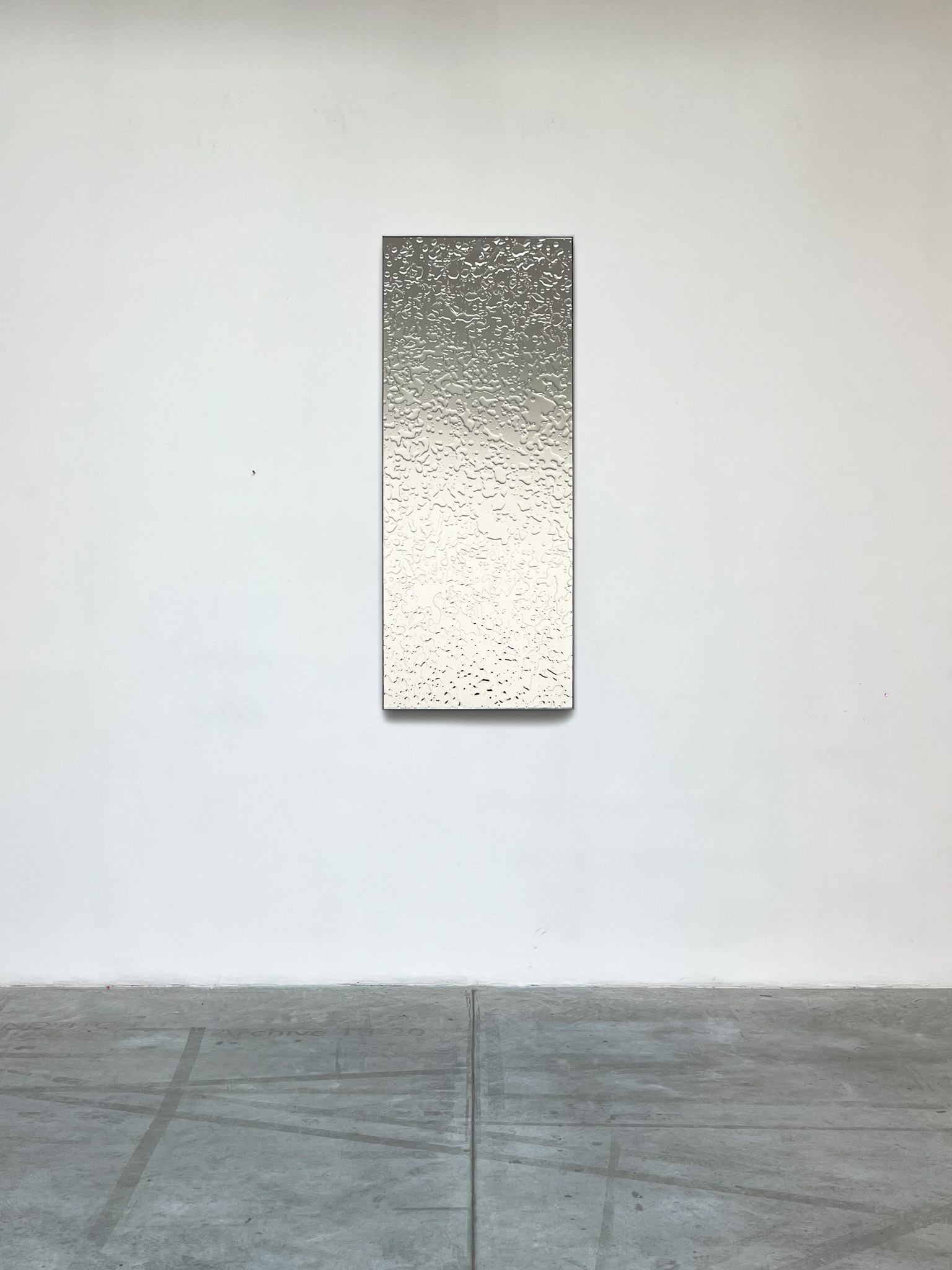
Year : 2022Dimensions : 48 x 120 x 2 cmMaterial : Resine, mirror and aluminium frame. Related exhibition : Réalité Déformée / AXYZ Related artworks : Liquid Reflection SeriesCategory : Frames All works
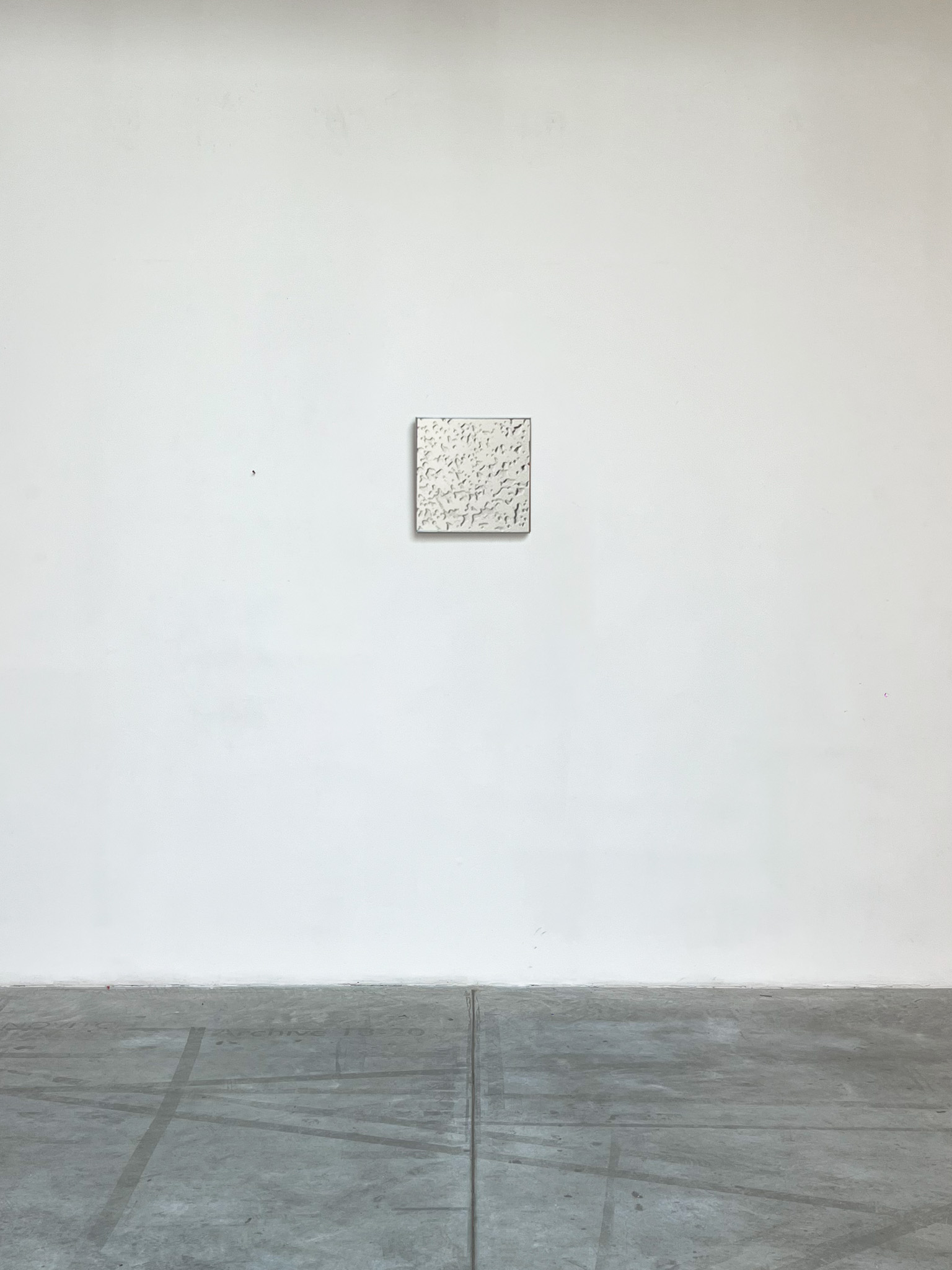
Year : 2022Dimensions : 31 x 31 x 2 cmMaterial : Resine, mirror and aluminium frame. Related exhibition : Réalité DéforméeRelated artworks : Liquid Reflection SeriesCategory : Frames All works
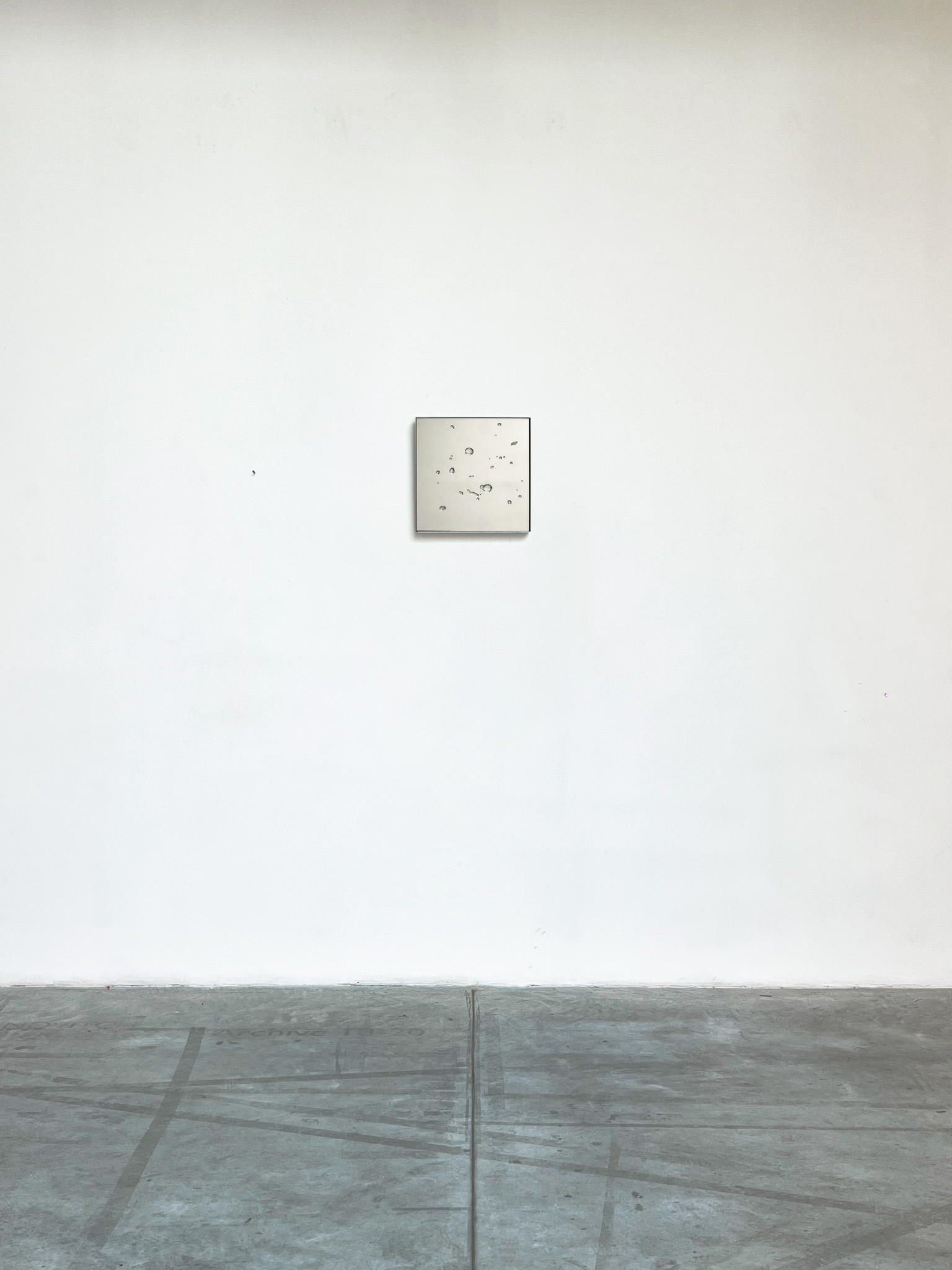
Year : 2022Dimensions : 31 x 31 x 2 cmMaterial : Resine, mirror and aluminium frame. Related exhibition : Réalité DéforméeRelated artworks : Liquid Reflection SeriesCategory : Frames All works
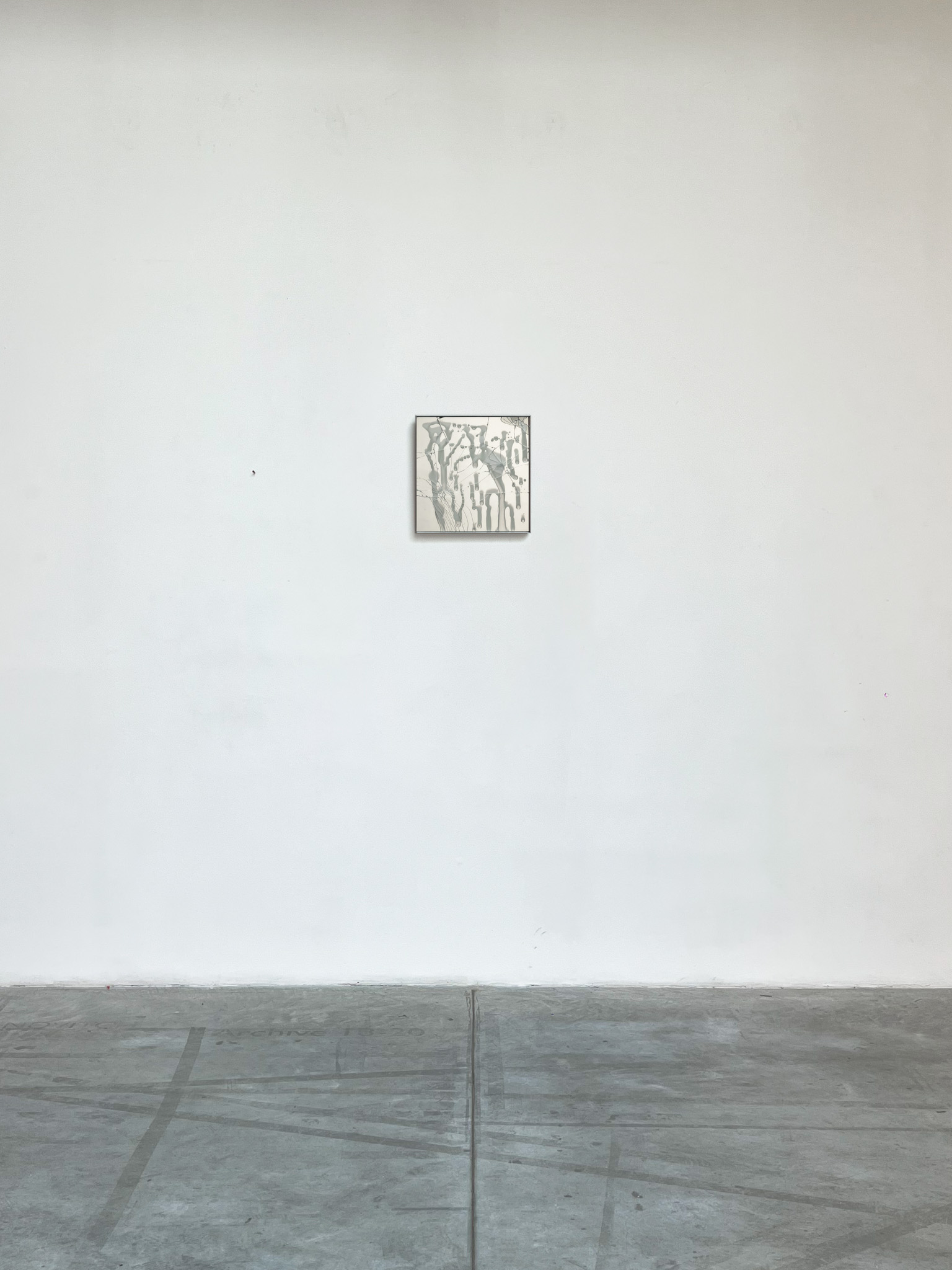
Year : 2022Dimensions : 31 x 31 x 2 cmMaterial : Resine, mirror and aluminium frame. Related exhibition : Réalité DéforméeRelated artworks : Liquid Reflection SeriesCategory : Frames All works
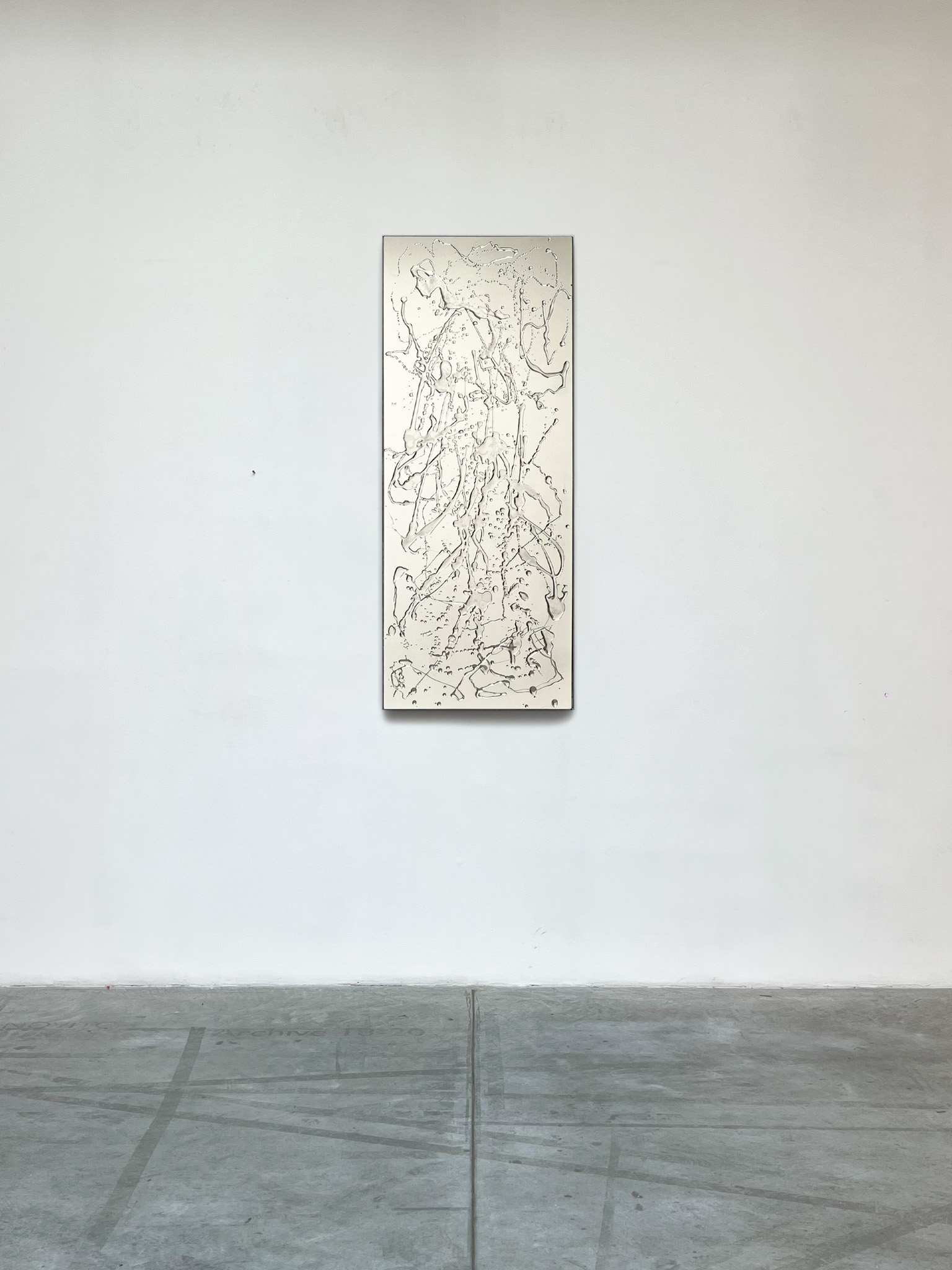
Year : 2022Dimensions : 48 x 120 x 2 cmMaterial : Resine, mirror and aluminium frame. Related exhibition : Réalité DéforméeRelated artworks : Liquid Reflection SeriesCategory : Frames All works
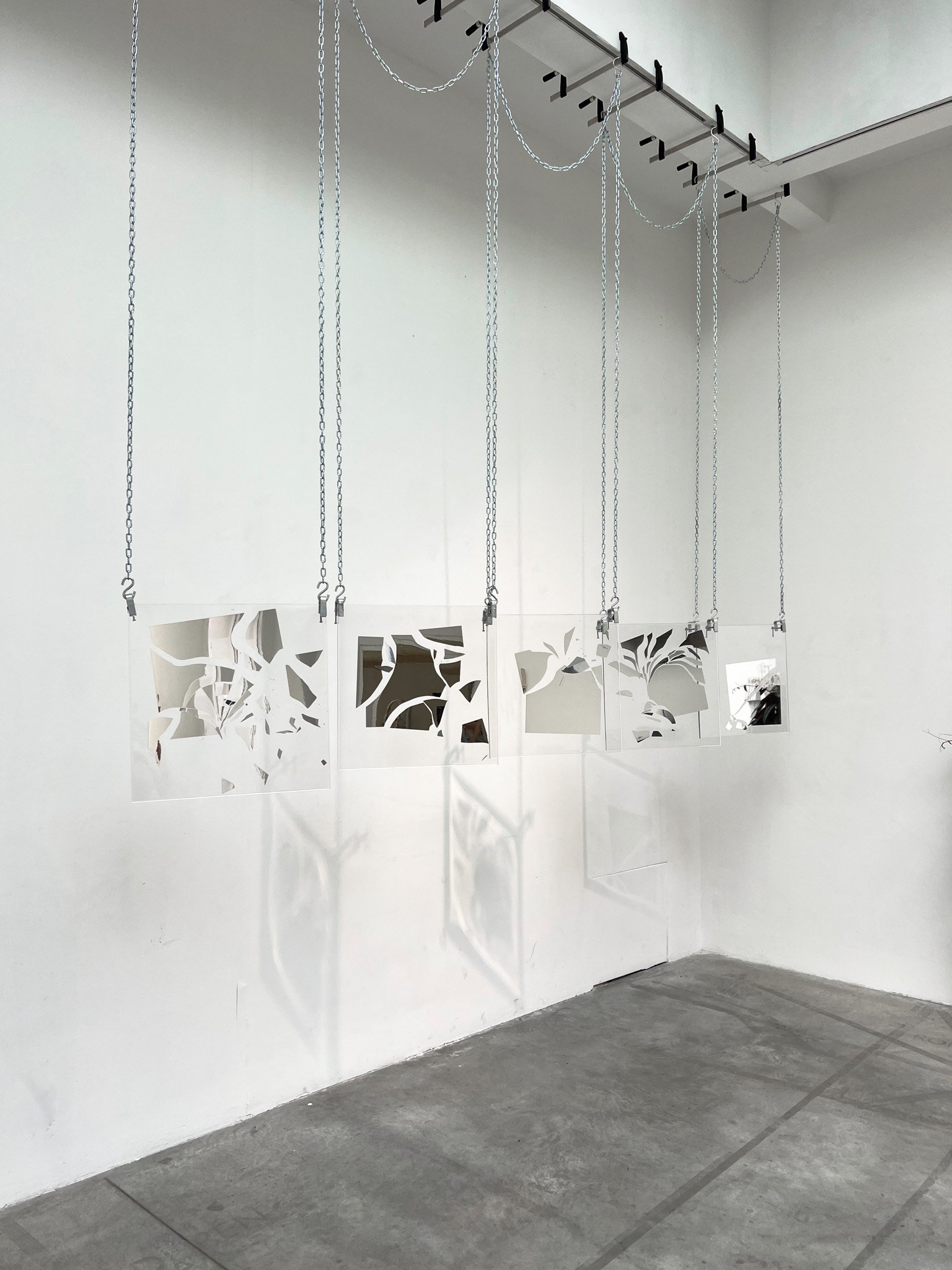
Year : 2022Dimensions : 5pcs of 50 x 50 x 2 cmMaterial : Resine, mirrors and chains. Related exhibition : Réalité Déformée All works
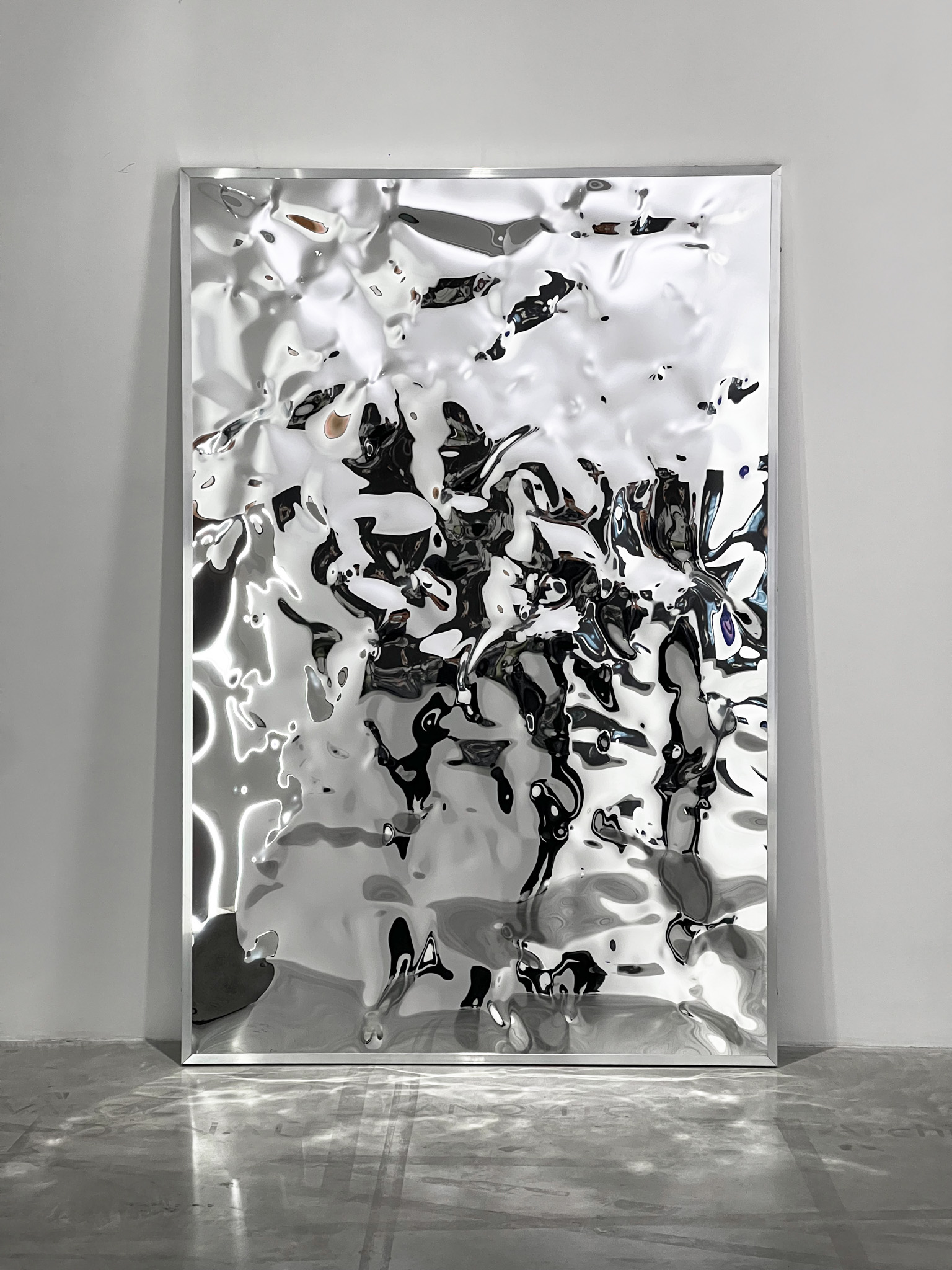
"Dismorphia" is a bas-relief sculpture characterized by its undulating and reflective surface, creating fascinating distortions of light and space. Designed to reflect its spatial environment, this piece is both unique and timeless. The surface of "Dismorphia" captures the shapes and...
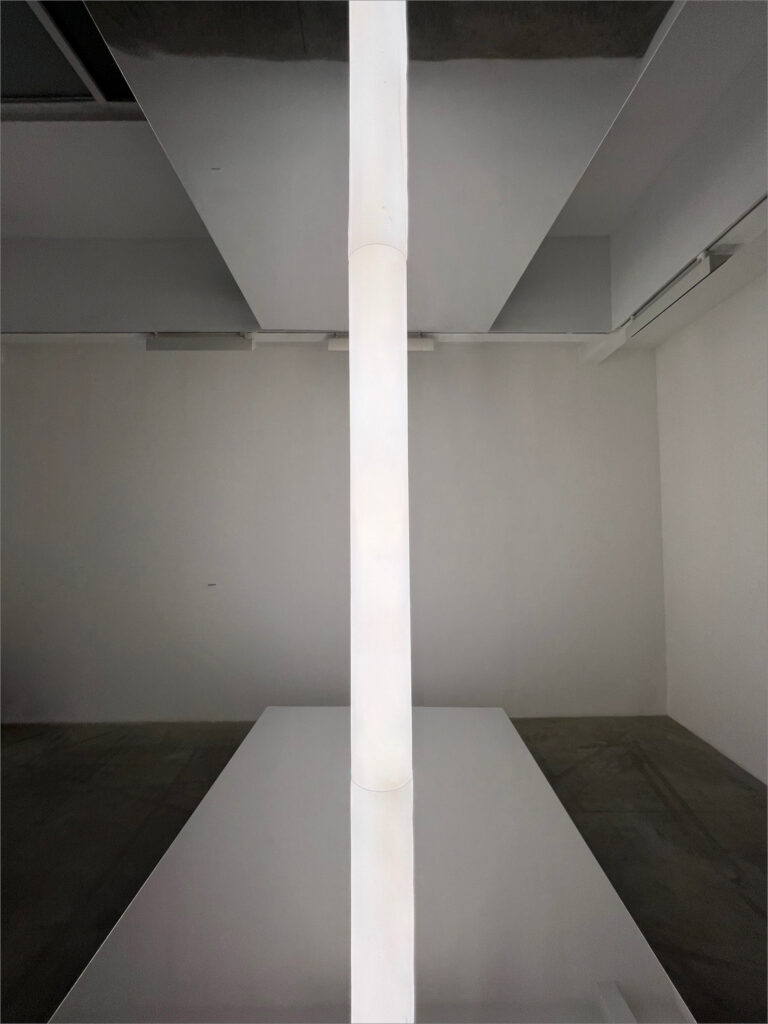
Réalité Déformée
Réalité Déformée
The surface of a mirror represents the physical reality in which we live. It allows the individual who contemplates it to appreciate the reflection of lights, materials, objects and the surrounding space as well as his own body. The environment in which the mirror is presented is the very source of the space represented on its surface. But this representation is only an image of reality, it is a fictional spatial environment.
Humans and the physical and spatial context in which they live can only exist in this fictitious space through three indispensable factors: the mirror, the light and the perception of humans. Without a mirror, there is no longer any question of representing space. Without light, space cannot be represented. Without perception, the mirror is just a simple physical object with reflective properties. Humans and their perception therefore have a fundamental place in the very concept of what a mirror is. Each individual perceives space, whether real or fictional through the surface of a mirror, in a different and unique way. It is the point of view of the individual that makes him live his own experience.
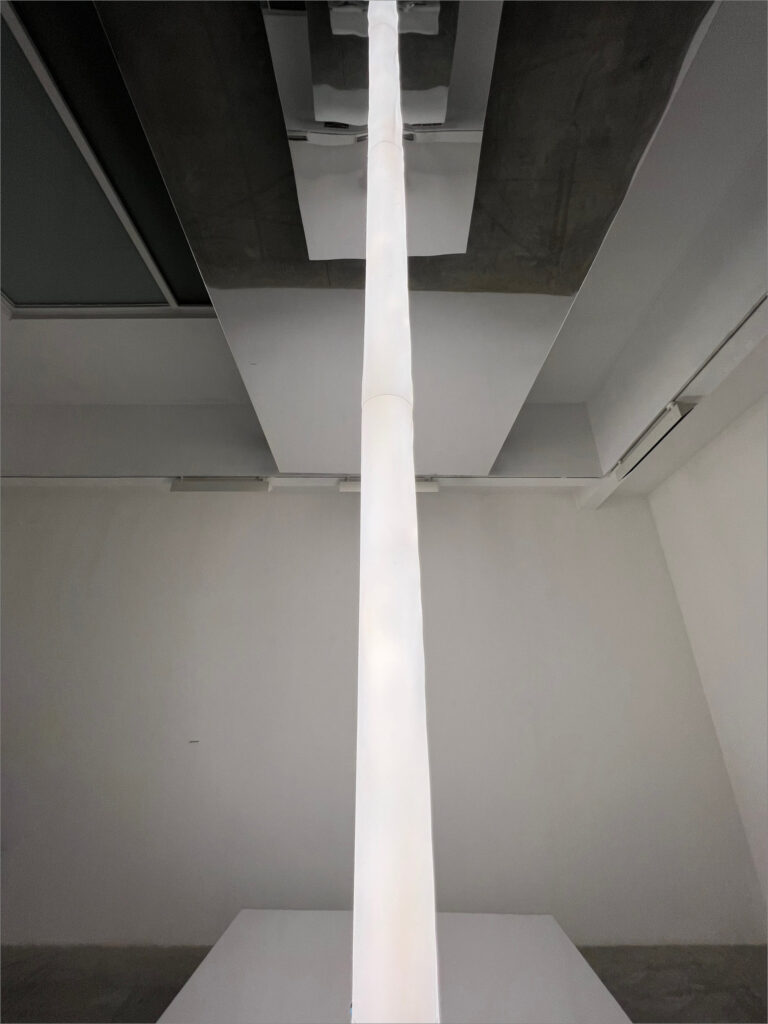
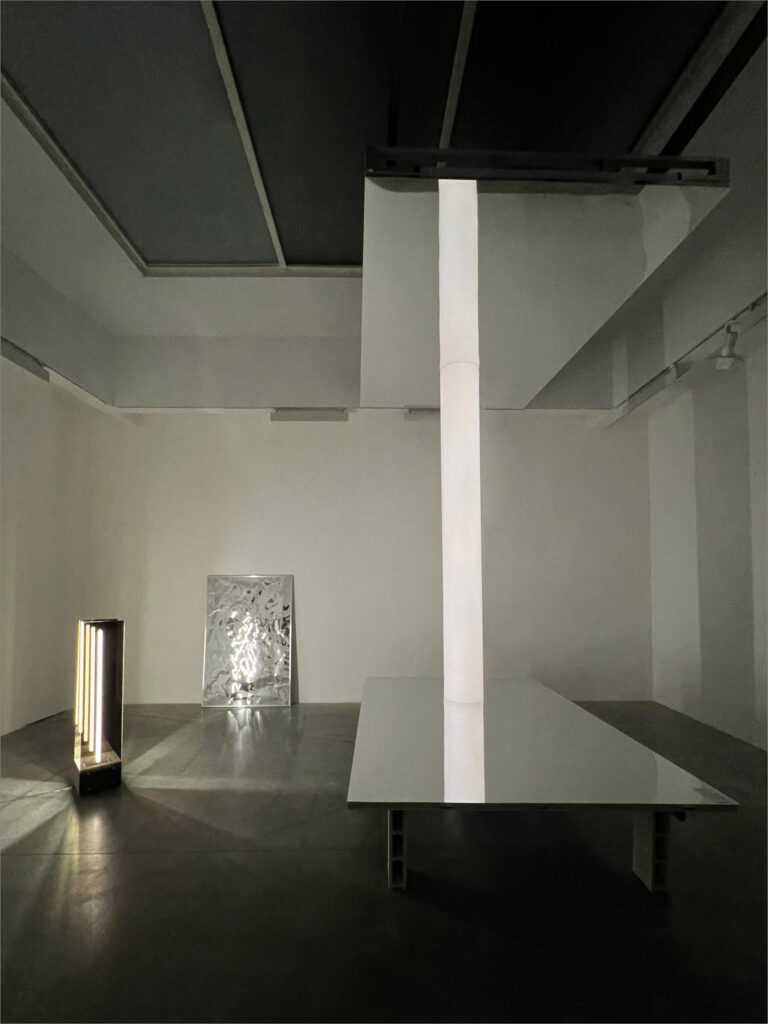
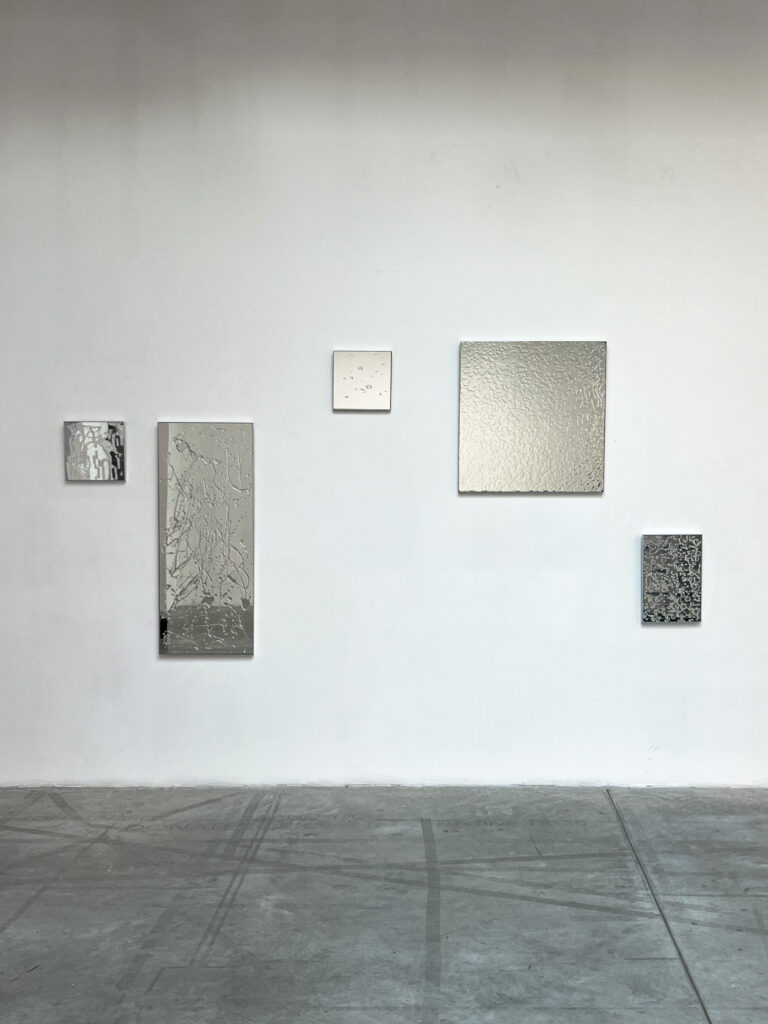
“Réalité Déformée” is a collection of experiments mainly using mirrors and resins. The appearance and physical shape of each mirror have been randomly deteriorated, distorted, or scattered. These different actions give rise to different types of experimentation manifesting themselves in the form of a spatiotemporal work. Resulting from a random variable process, the result of each of these works is therefore purely unique and proportionally uncontrollable. The space represented in these works is always the same and corresponds to the spatiotemporal context in which the work unfolds. But this spatial representation appears to the viewer as completely transformed and no longer seems to represent reality. These results denounce the close link that persists between tangibility and unreality, between depth and surface, and between physical and impenetrable, that a simple mirror can cause.
Humans have gotten into the habit of contemplating themselves and projecting themselves into the fictitious space of the mirror as if it was reality. With “Réalité Déformée”, Fabien Ficher wonder and encourages viewers to question the spatial and physical context in which they exist and the essence of what they perceive. Questioning their perceptual habits, their own perceptual abilities as well as their place as an individual in a physical and temporal reality.
Duration : June 18, 2022 – June 26, 2022
Location : Galerie Bertrand Grimont, Paris, France.
Related artworks : Dismorphia / Liquid Reflection Series / Splinters
The surface of a mirror represents the physical reality in which we live. It allows the individual who contemplates it to appreciate the reflection of lights, materials, objects and the surrounding space as well as his own body. The environment in which the mirror is presented is the very source of the space represented on its surface. But this representation is only an image of reality, it is a fictional spatial environment.
Humans and the physical and spatial context in which they live can only exist in this fictitious space through three indispensable factors: the mirror, the light and the perception of humans. Without a mirror, there is no longer any question of representing space. Without light, space cannot be represented. Without perception, the mirror is just a simple physical object with reflective properties. Humans and their perception therefore have a fundamental place in the very concept of what a mirror is. Each individual perceives space, whether real or fictional through the surface of a mirror, in a different and unique way. It is the point of view of the individual that makes him live his own experience.
“Réalité Déformée” is a collection of experiments mainly using mirrors and resins. The appearance and physical shape of each mirror have been randomly deteriorated, distorted, or scattered. These different actions give rise to different types of experimentation manifesting themselves in the form of a spatiotemporal work. Resulting from a random variable process, the result of each of these works is therefore purely unique and proportionally uncontrollable. The space represented in these works is always the same and corresponds to the spatiotemporal context in which the work unfolds. But this spatial representation appears to the viewer as completely transformed and no longer seems to represent reality. These results denounce the close link that persists between tangibility and unreality, between depth and surface, and between physical and impenetrable, that a simple mirror can cause.
Humans have gotten into the habit of contemplating themselves and projecting themselves into the fictitious space of the mirror as if it was reality. With “Réalité Déformée”, Fabien Ficher wonder and encourages viewers to question the spatial and physical context in which they exist and the essence of what they perceive. Questioning their perceptual habits, their own perceptual abilities as well as their place as an individual in a physical and temporal reality.